· Updated · PurreWhisker Team · Safety · 2 min read
What If a Kitten Eats Tofu Cat Litter? A Practical Safety Guide
General guidance for responding when a kitten mouths or eats cat litter, including warning signs and when to contact a veterinarian.
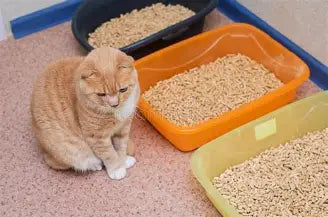
Cat litter is not food. No litter material should be presented as safe to eat, and a website cannot determine the medical risk for an individual kitten.
What to do first
If you see a kitten eating litter:
- Remove access to the litter.
- Note the product, approximate amount and time of exposure.
- Keep the packaging or ingredient information available.
- Contact a veterinarian if you are concerned, if more than a trivial amount may have been swallowed, or if any symptom appears.
Seek prompt veterinary advice for vomiting, unusual tiredness, loss of appetite, abdominal discomfort, difficulty passing stool, breathing difficulty or other concerning changes.
Does “plant based” mean edible?
No. “Plant based” describes a material category; it does not establish that a finished litter product is food, non-toxic in every quantity, or appropriate for ingestion. Formulas and additives vary between products.
Tofu litter and bentonite are different materials
Tofu-style litter is commonly made with plant-derived materials, while bentonite is a clumping clay. Those category differences do not prove that one specific product is medically safe for a particular kitten. Product composition, the amount swallowed and the kitten’s condition all matter.
Reduce the chance of repeat ingestion
- Supervise kittens that chew litter.
- Keep the litter box clean and dry.
- Follow the product label and age guidance.
- Ask a veterinarian about a suitable litter if chewing continues.
- Store unused litter securely.
Guidance for B2B buyers
Retailers and brand owners should request current, product-specific information before making safety claims. Check the issuer, date, scope and applicable product for any SDS, test report or other document. A filename, screenshot or generic material statement is not enough to support an absolute safety claim.
For sourcing enquiries, use the Wholesale & OEM FAQ or contact form.
This article provides general educational information and is not veterinary advice.